EN
EN

Driven by strong policy incentives and continuous technological innovation, China's mobile housing market is witnessing unprecedented explosive growth. Amid this boom, independent stations have emerged as a pivotal new gateway for personalized customized living solutions, bridging the gap between supply-side capabilities and diverse consumer demands.
As China advances the new urbanization strategy outlined in the 14th Five-Year Plan and green building policies are fully implemented, the mobile housing sector is stepping into a critical phase of structural expansion. Industry forecasts indicate that by 2025, the market size will surpass 85 billion yuan, sustaining a high compound annual growth rate (CAGR) of 14.3%. Prefabricated mobile homes have become the dominant segment, accounting for over 60% of the total market share. Meanwhile, independent stations, with their strengths in customized services, global reach and direct customer engagement, are evolving into the core hub connecting upstream manufacturers and downstream buyers.
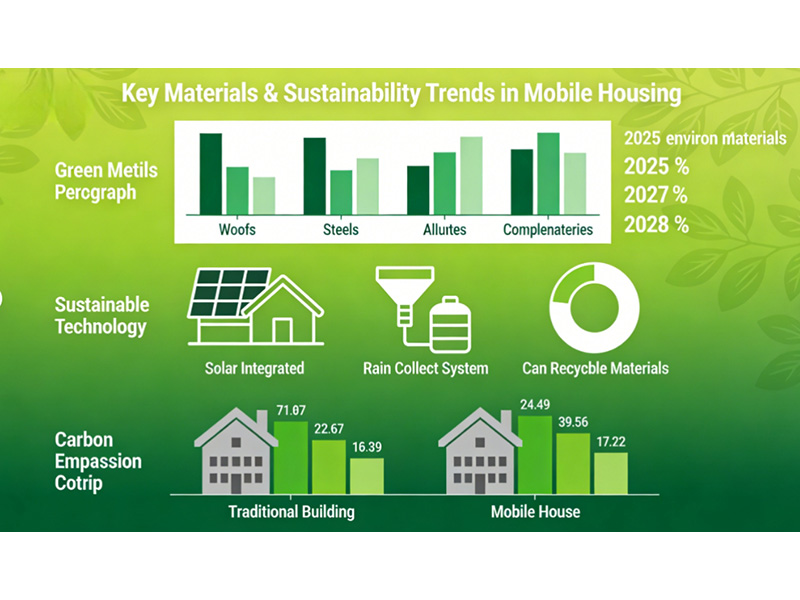
Robust policy support has laid a solid foundation for the sustainable development of the mobile housing industry. The National Development and Reform Commission (NDRC) has clearly set a target that prefabricated buildings will account for 40% of new constructions by 2030. At the local level, flexible temporary land use policies have further stimulated market vitality: mobile homes require no permanent foundations and can be legally constructed on agricultural land upon official approval. For cultural tourism and agricultural projects, the approval rate of mobile housing is 40% higher than that of traditional buildings. In rural revitalization scenarios, prefabricated homestays can be completed in just 15 days, with land reclamation finished in a single day. Aligned with national carbon neutrality goals, mobile homes reduce carbon emissions by 40% compared to traditional concrete buildings. Enterprises meeting green standards are eligible for a carbon subsidy of 15 yuan per square meter, and LEED-certified mobile homes, boasting 30%-60% higher energy efficiency, command a significant market premium.
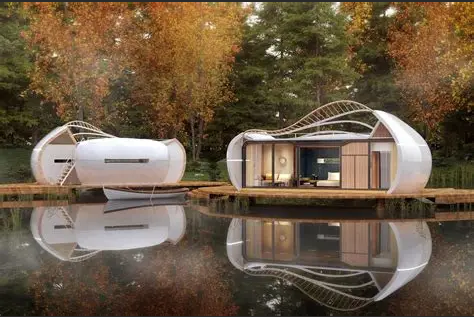
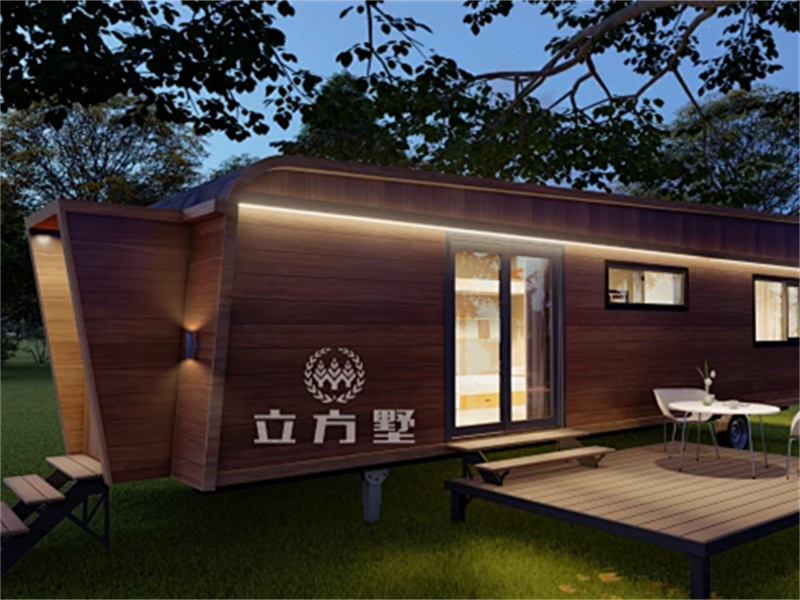
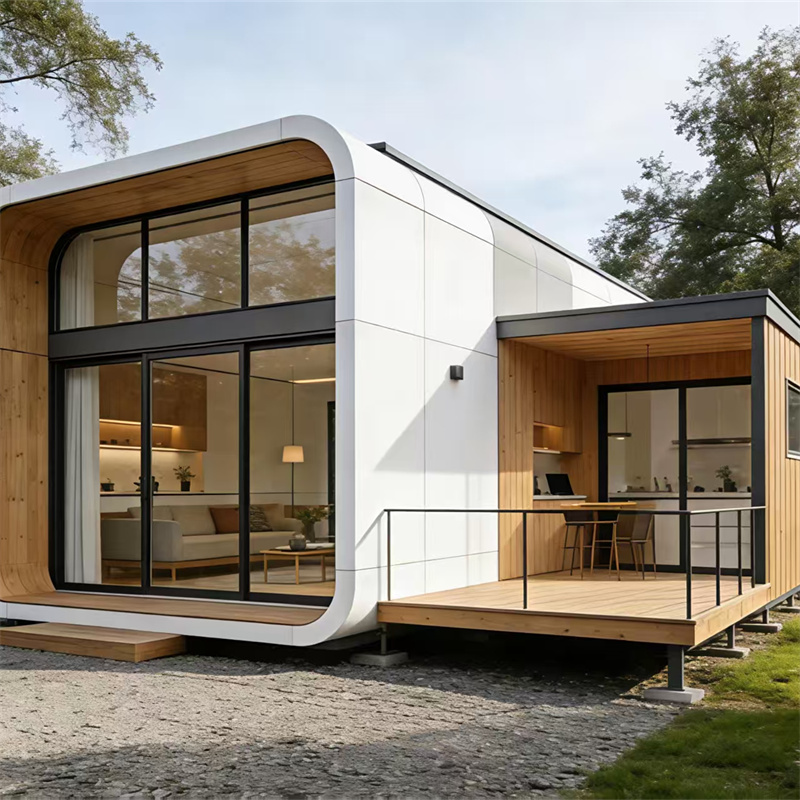
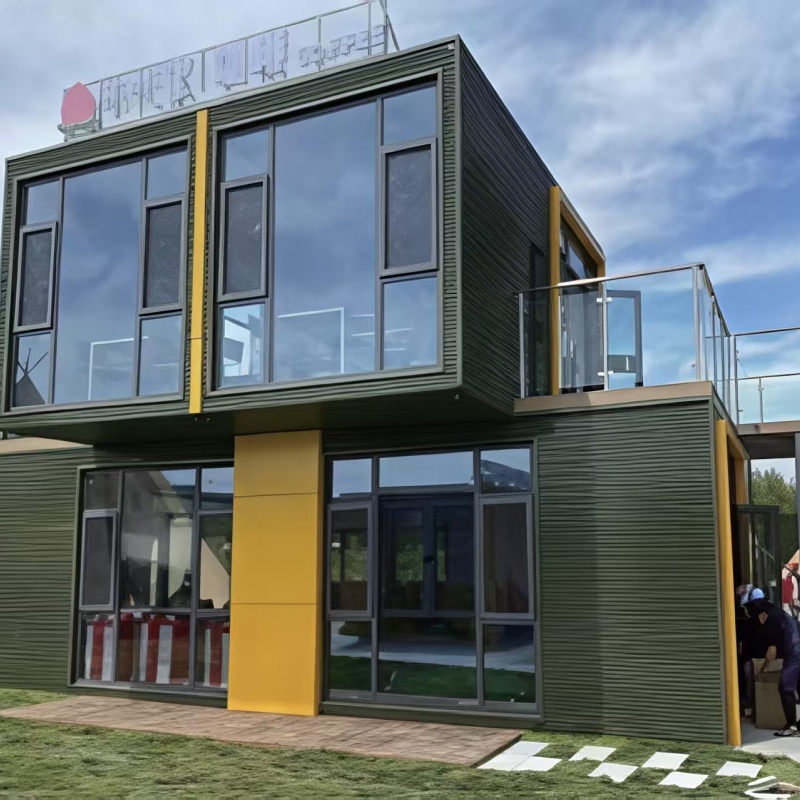
The diversified expansion of application scenarios is unlocking new growth opportunities for the mobile housing market. In the cultural and tourism sector, high-end mobile homestays integrated with panoramic glass walls, foldable terraces and smart home systems have become a key attraction for campsites, eco-tourism resorts and rural getaway destinations. In emergency disaster relief, modular mobile houses with earthquake and flood resistance capabilities have achieved an annual production capacity exceeding 120,000 units, supported by the central government's emergency reserve procurement budget increased to 2.8 billion yuan. In rural revitalization projects, mobile homes are widely transformed into maintenance stations, reception centers and supporting facilities for picking gardens, providing cost-effective and flexible housing solutions for returning entrepreneurs. The export market also demonstrates strong momentum, with mobile housing exports expected to account for 18%-22% of the industry's total output value by 2025. Southeast Asia, Africa and countries along the "Belt and Road" have become core growth markets, and the multilingual adaptation and global logistics services of independent stations have significantly lowered the threshold for small and medium-sized enterprises (SMEs) to access overseas clients directly.
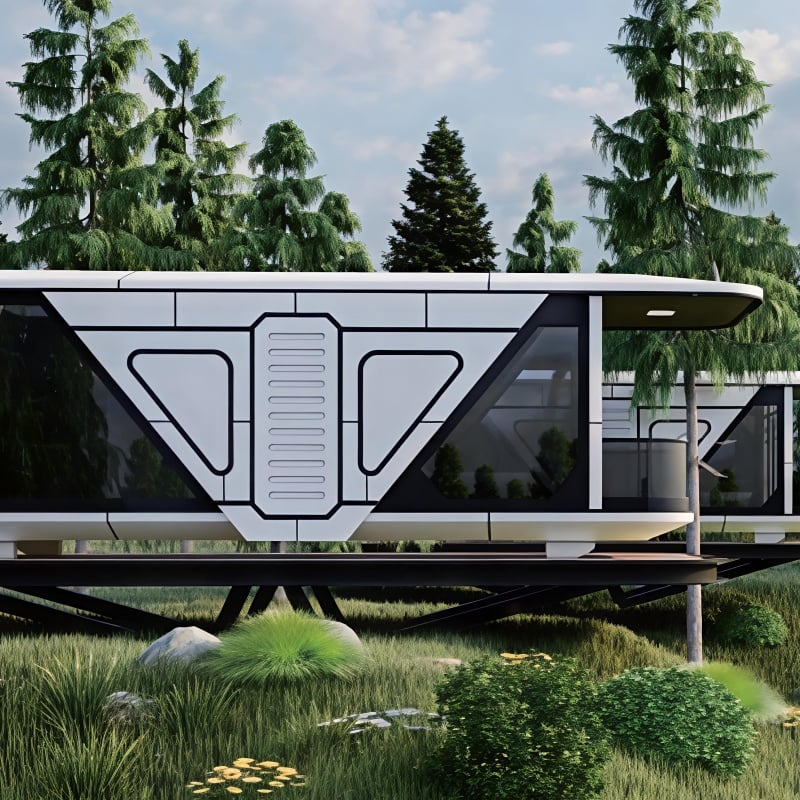
The rise of independent mobile home platforms is reshaping the industry's marketing and service landscape. Industry data shows that by 2028, online inquiries for mobile homes will account for 60% of total market demand, with short video platforms driving a remarkable 12% conversion rate for independent stations. Leading independent platforms now offer one-stop end-to-end services covering 3D floor plan previews, online customization, global logistics scheduling and localized installation guidance. Through AR technology, users can track production progress in real time and preview the actual living environment before delivery. To adapt to different regional climates, these platforms provide tailored configurations: the Arctic edition is equipped with triple-layer insulation and underfloor heating, while the Tropical edition features cross-ventilation systems and anti-mold coatings. Their all-terrain base designs ensure stable installation on diverse terrains such as mountains, beaches and plateaus.
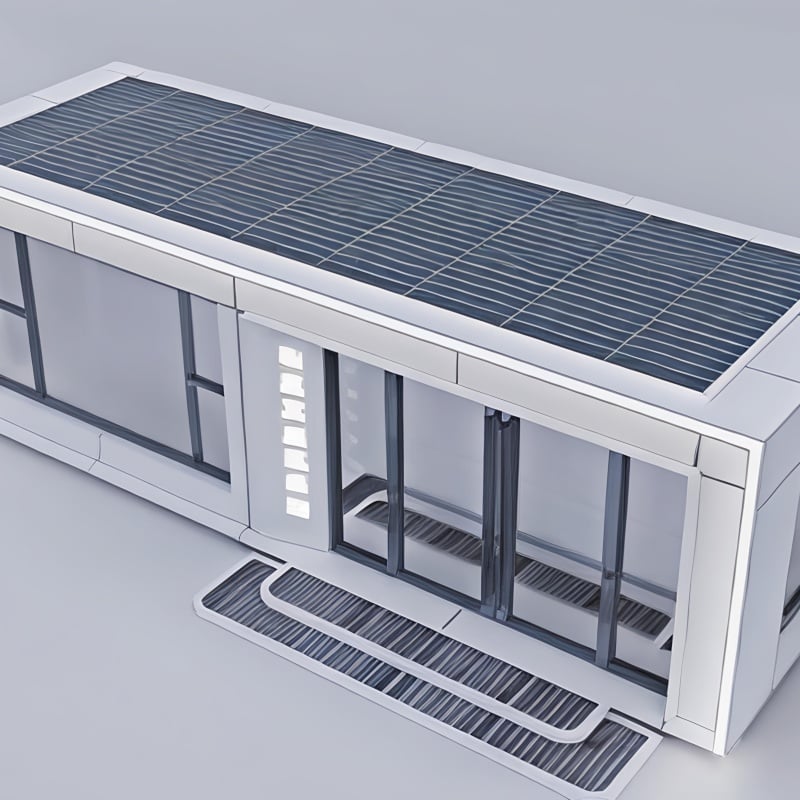
Industry experts emphasize that the deep integration of BIM technology, photovoltaic integration and AI-powered spatial optimization is transforming mobile homes from temporary housing into high-quality, recyclable and eco-friendly residences. Over the next three years, niche segments including age-friendly mobile homes and zero-carbon housing are poised for explosive growth. Independent platforms with strong customization capabilities, global service networks and data-driven insights are expected to lead industry innovation and set new market standards.
To unlock your ideal customized mobile home solution, visit our dedicated independent website to book a free 3D floor plan design with one click. You will also get professional policy compliance consultation and a personalized quote tailored to your needs, turning your dream of flexible, eco-friendly and cost-effective living into reality today.