EN
EN
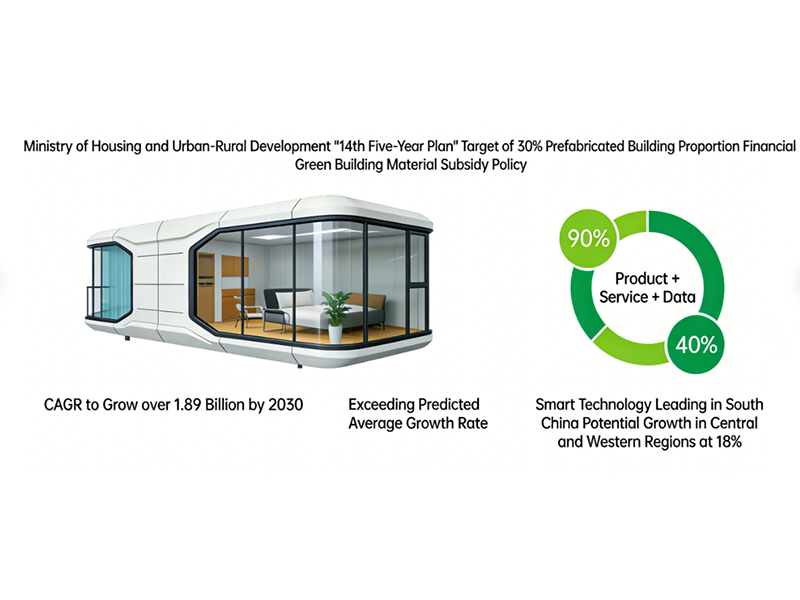
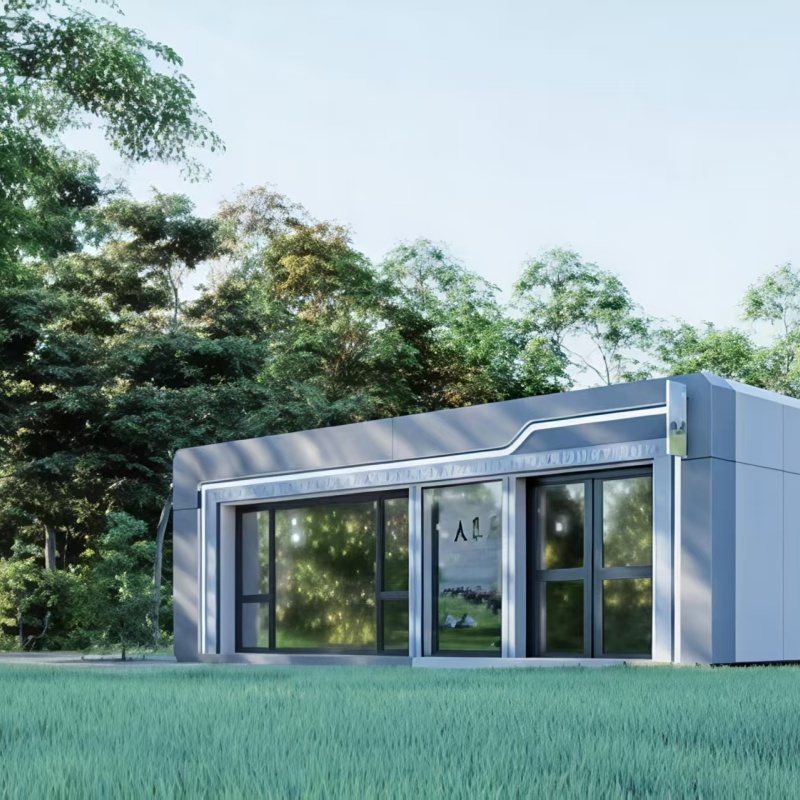
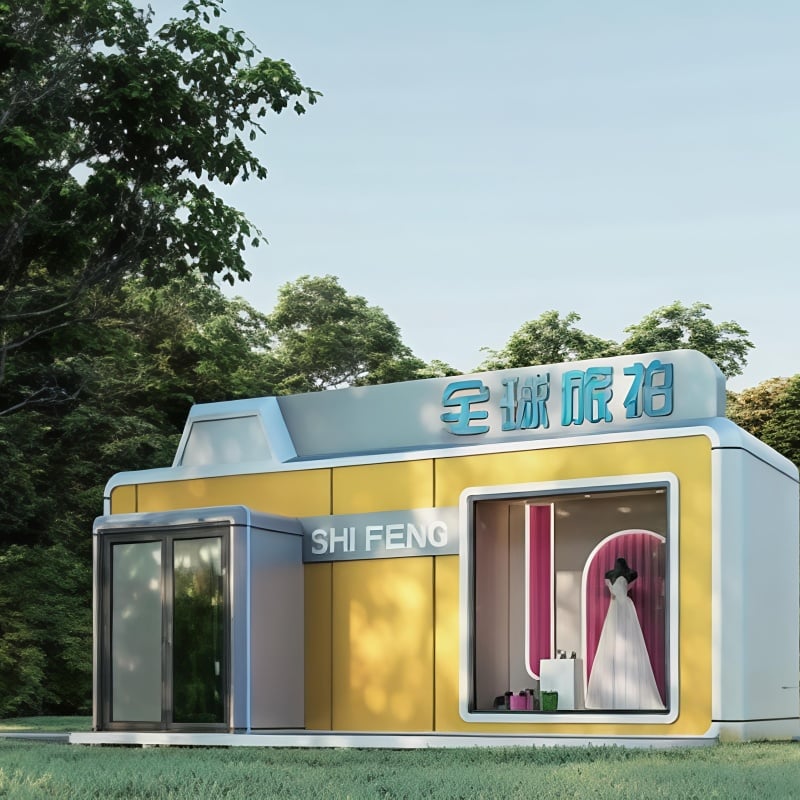
Since 2025, the mobile home industry has experienced sustained growth driven by policy compliance upgrades, diversified market demands, and continuous technological innovation. As a core channel for overseas trade and brand promotion, standalone websites are now entering a critical phase of precise customer acquisition and product diversification. With domestic and international policy adjustments clarifying compliance directions, surging demand in niche sectors like cultural tourism and emergency response, coupled with accelerated product iteration through foldable technology and smart upgrades, these converging advantages are propelling mobile home websites into a new era of standardized and differentiated operations.
Policy Compliance with New Regulations: Independent Websites Must Prepare in Advance. The mobile home industry is facing a series of policy adjustments in 2025, which will serve as the core guideline for independent websites to ensure compliance. On the international front, the U.S. Department of Housing and Urban Development (HUD) has extended the implementation of the fourth/fifth sets of Mobile Home Construction and Safety Standards (MHCSS) until September 15,2025. The updated regulations further strengthen key areas such as structural load capacity and electrical systems, requiring manufacturers to submit design documents for review and retain records of critical components for at least two years. This adjustment provides domestic mobile home exporters with time to adapt. Relevant independent websites must update their product compliance documentation in advance, clearly labeling compliance with HUD standards to mitigate export risks.
At the domestic policy level, China's Ministry of Finance has included modular buildings in its green building subsidy program, offering up to 3 million yuan in rewards per project. The newly revised Technical Standard for Prefabricated Concrete Buildings introduces seismic requirements for modular joints, mandating dual connections using grouted sleeves and high-strength bolts in critical areas. Leveraging these policy incentives, independent platforms can highlight core selling points like "green subsidy compatibility" and "compliant seismic design" to strengthen B2B procurement trust. Additionally, international policy trends—including Connecticut's annual reporting of fire hydrant water supply capacity for mobile home park owners, the EU's modular building carbon footprint certification, and simplified temporary construction approvals in Southeast Asian countries—require mobile home platforms to display CE/ISO compliance certifications by target market region, streamlining market access.
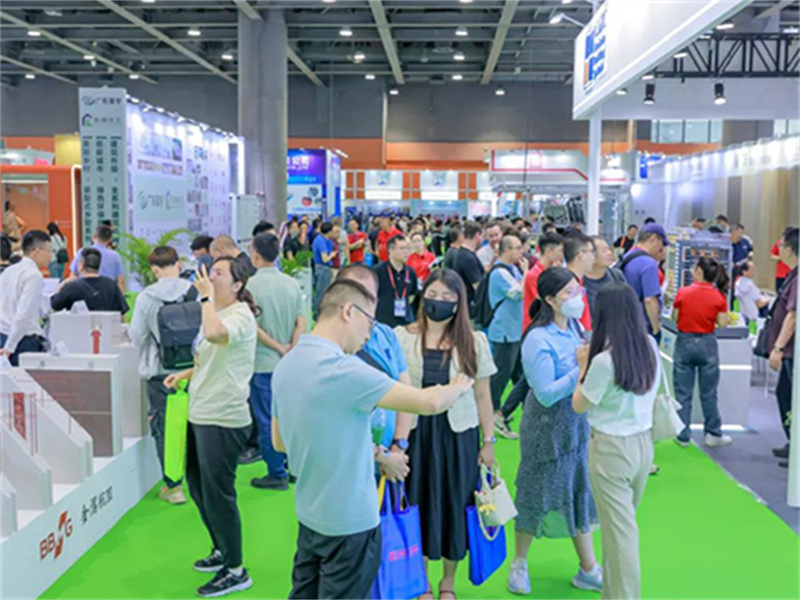
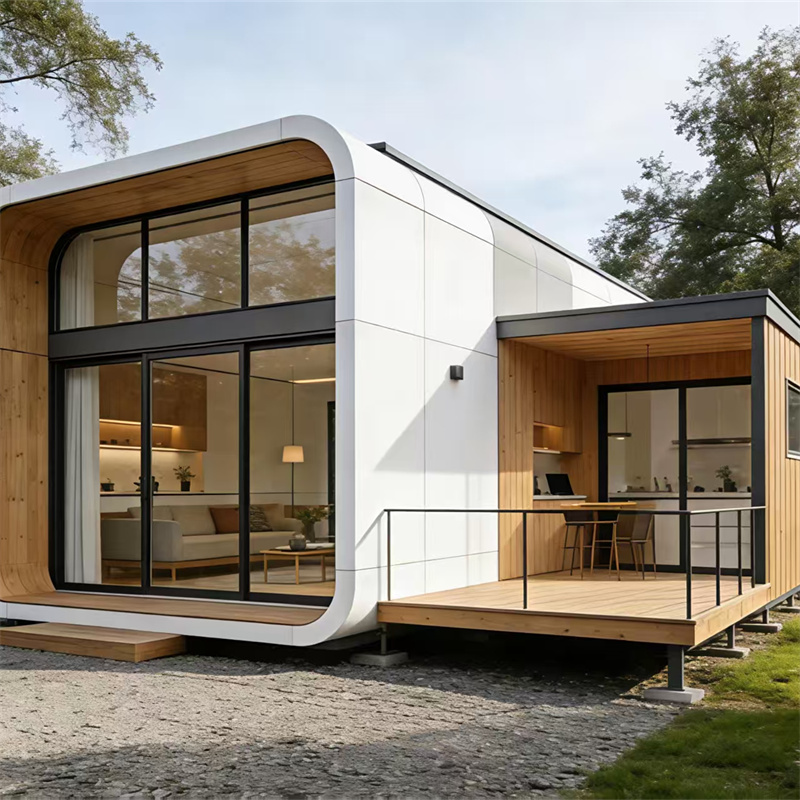
The booming mobile home market is poised to become a key growth driver in emerging overseas markets. By 2025, this sector is expected to experience multi-scenario expansion, providing clear guidance for product selection and traffic generation on independent e-commerce platforms. In the cultural tourism sector, starry-themed cabins, space capsules, and foldable homestays have emerged as annual highlights. At the Canton Fair, Zhongke Suda's sailboat-inspired 21㎡ starry cabin won acclaim for its unique design and adaptability, attracting clients from Europe, Southeast Asia, and the Middle East, with Panama-based partners finalizing on-site agreements. Zhenhao Starry Home's polycarbonate translucent cabins also secured orders in the Philippines and Australia, where buyers conducted on-site impact resistance tests. This trend is accelerating independent platforms' expansion into the "cultural tourism + mobile homes" vertical, with real-scene videos and material test data boosting inquiry conversion rates.
The demand in the emergency sector continues to grow. Data shows that the scale of China's emergency disaster relief market is expected to reach 120 billion yuan by 2025, with mobile houses accounting for about 15%. The procurement amount of medical-specific mobile houses reached 2.3 billion yuan in 2024, and it is estimated that the annual growth rate will maintain 25% until 2028, with core demands focusing on rapid deployment and medical module integration. In response to this market, several mobile house enterprises have added a "Emergency Solutions" section on their independent websites to precisely meet the procurement needs of governments and rescue agencies.
In the global market expansion, despite short-term fluctuations in the U.S. market with a decline in Texas mobile home production and orders in December 2025, industry analysts widely predict a rebound by mid-2026. This volatility is considered a seasonal cycle rather than a structural recession. Independent e-commerce platforms have already launched winter promotions and stockpiled inventory for spring recovery. Meanwhile, emerging markets like Southeast Asia and the Middle East are gaining momentum. Chinese-made space cabins have gained popularity through social media platforms like TikTok, while Yitong's smart equipment has successfully exported to countries including the U.S., Canada, and Indonesia. A Thai client purchased 50 sets of smart foldable homes via Alibaba's platform for camping site construction in Chiang Mai and Phuket. Seizing these emerging market opportunities, mobile home e-commerce platforms are accelerating multilingual adaptation (English, Portuguese, Arabic, Thai, etc.) and showcasing product installation processes and application scenarios through social media short videos to enhance traffic conversion.
The accelerated pace of technological innovation has established product competitiveness as the core competitive edge for independent stations. Technological advancement now serves as the key driver for enhancing the core competitiveness of mobile home independent stations. By 2025, the industry is expected to achieve multiple breakthroughs in foldable technology, smart features, and eco-friendly solutions. In terms of folding and modular technology, the dual-wing foldable house can be rapidly unfolded by 2-3 people in just 15-20 minutes, reducing its volume to one-third of the unfolded state, while cutting transportation costs by 30%-40%. Additionally, it can adapt to diverse climatic conditions ranging from-20°C to 40°C. Relevant companies have already utilized tools like "unfolding time comparison tables" and "transportation cost calculators" on independent platforms to visually demonstrate the product's advantages.
The convergence of intelligentization and green development is gaining momentum. The Ministry of Housing and Urban-Rural Development's intelligent modular construction robots have entered the engineering validation phase, with over 60% of installations achieving full automation. Cutting-edge technologies like hydrogen-powered systems, 3D-printed structural components, and blockchain-based lifecycle management are becoming key industry priorities. Mobile home platforms are increasingly emphasizing "smart construction" and "zero-carbon units" to attract high-end clients. Notably, the integration of new energy solutions with mobile homes has emerged as a new trend. In December 2025, VALA launched its six-seat smart camping vehicle with a sloping roof. The Jetour Shanhai L7 PLUS "Travel Mini RV" achieved over 27,000 orders within 24 hours of its debut. SAIC Maxus' 2026 camping version starts at 139,800 yuan, significantly lowering the price barrier for young consumers and expanding mobile home platforms into personal and family markets.
In line with industry trends, the 2026 strategic roadmap for mobile home standalone websites should prioritize four key areas: 1) Product focus on three high-margin segments—cultural tourism starry sky cabins, emergency medical mobile units, and new energy camping vehicles—with priority given to modular products that reduce transportation costs; 2) Content enhancement through creating short videos (e.g., 360-degree product showcases, installation guides, and customer testimonials) to drive traffic to the standalone site via social media platforms like TikTok and Facebook; 3) Compliance preparation by proactively adapting to the September 2023 implementation of the U.S. MHCSS regulations and updating product page compliance guidelines; 4) Data-driven optimization using Google Analytics to track traffic sources and refine core SEO keywords such as "modular tiny home for glamping" and "emergency medical shelter" to boost organic search rankings.
Industry analysts note that as policies, markets, and technologies become more deeply integrated, mobile home standalone websites will gradually move beyond homogeneous competition. Compliance, scenario-specific solutions, and technological innovation will emerge as core competitive advantages. Companies must accurately identify niche market demands and achieve high-quality development through content upgrades and compliance adaptations.