
This case study showcases a prefabricated ultra-low energy consumption housing solution that transforms residential construction through factory pre-production, modular structural systems, and integrated building components. By minimizing on-site work, cutting project timelines by 30%+, and delivering energy-efficient, eco-friendly living spaces, this solution addresses core pain points of traditional construction—making it ideal for rural development, cultural tourism, and residential industrialization projects.
Project Background: Reimagining Residential Construction
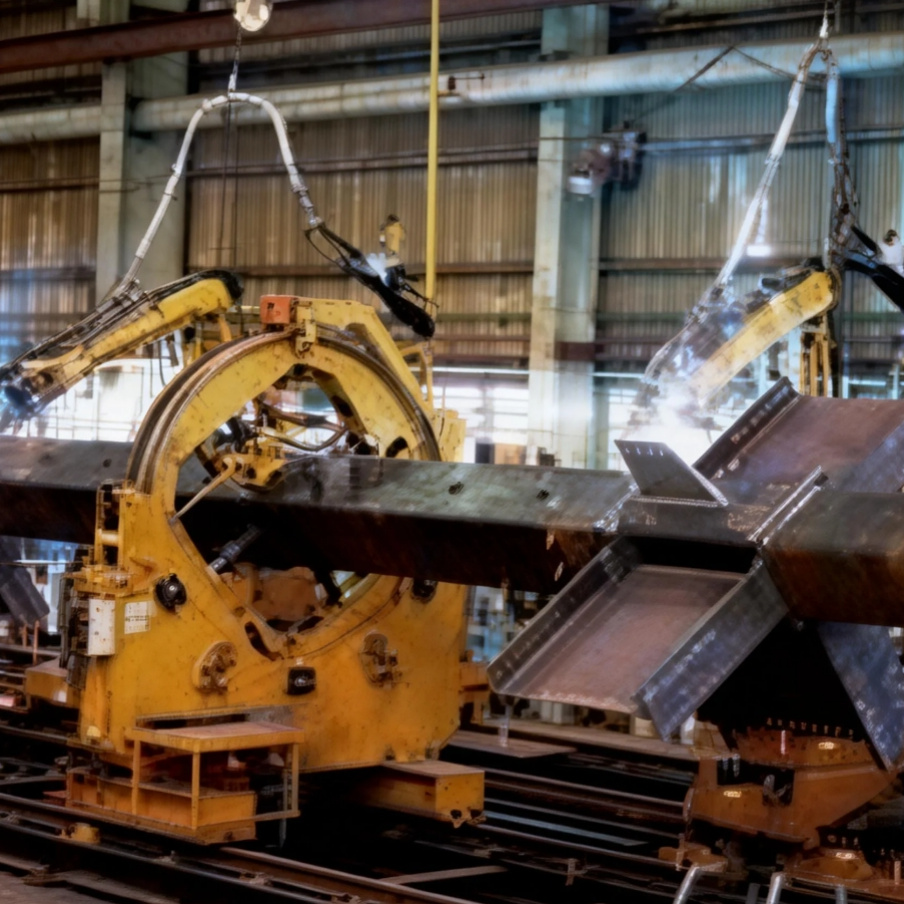
Traditional residential construction relies heavily on on-site concrete pouring, formwork installation, and scattered decoration work—leading to long timelines, high material waste, and inconsistent quality. As global demand for sustainable, efficient building solutions grows, prefabricated ultra-low energy consumption housing has emerged as a transformative alternative. This case study focuses on a solution that centralizes core production in factories, then assembles components on-site—combining speed, standardization, and energy efficiency to redefine modern housing.
Modular Structural Systems: The Foundation of Efficient Construction
This prefabricated housing solution leverages three specialized modular structural systems, each tailored to balance strength, energy efficiency, and installation speed:
1. Steel Frame + PC Component System
At the core of this system is an embedded panel with a three-layer structure: inner wall panel, thermal insulation layer, and outer wall panel. The outer panel connects to the steel beam via angle steel, forming a unified structure integrated with the steel frame. This design eliminates the need for on-site formwork and reduces on-site labor intensity—while ensuring structural stability and thermal insulation performance aligned with ultra-low energy consumption standards.
2. Steel Frame + Integrated Self-Insulation Wall
This system uses a steel frame as the primary structural support, paired with a steel pipe truss wall as the enclosure. The composite structure merges load-bearing capacity with built-in insulation, eliminating the need for separate exterior insulation work. This integration cuts on-site construction steps and enhances the building’s overall energy efficiency, a key requirement for ultra-low energy consumption housing.
3. Steel and Wood Structure System
Dubbed “breathing houses,” steel and wood structures excel at adapting to air temperature and humidity changes, creating a comfortable internal living environment. Beyond comfort, wood acts as a “carbon-negative” building material: it binds and stores significant amounts of carbon dioxide from growth until it is processed into wood products. When combined with steel, this system further reduces carbon emissions—making it a sustainable choice for eco-focused projects.
Integrated Building Components: Standardized, High-Performance Parts
The solution’s efficiency is amplified by a full suite of prefabricated building components, produced in factories to strict standards and assembled on-site via dry methods:
1. Wall Maintenance System
The wall system uses high-performance materials, including fiber-reinforced composite insulation panels, fiber-reinforced lightweight wall panels, and high-pressure aerated concrete panels. These materials offer a unique combination of benefits:
2. Indoor & Outdoor Decoration
All decorative components (e.g., wall panels, flooring, ceiling materials) are pre-produced in factories, then installed on-site via dry methods. This approach enables “move-in ready” spaces immediately after assembly—with no damage to finished surfaces (unlike traditional wet decoration). Options include integrated bathroom solutions (to maximize small-space utility), hanging stone, metal suspended ceilings, and real stone paint—balancing aesthetics, durability, and installation speed.
3. Smart Home Parts & Components
The housing solution integrates a full smart home system, enabling remote control, security monitoring, and centralized management of all home appliances. A communication network is pre-installed throughout the house, allowing users to control lighting, temperature, security devices, and other functions directly via mobile phones—enhancing daily convenience and modern living experiences.
4. Housing “4S” Service
To streamline the entire user journey, the provider offers a comprehensive “4S” service (modeled after automotive 4S systems):
Core Advantages: Redefining Construction Efficiency & Sustainability
This prefabricated ultra-low energy consumption housing solution delivers measurable improvements over traditional construction:
Application Scenarios: Versatile for Diverse Projects
This solution’s flexibility makes it suitable for a range of use cases:
By merging prefabrication technology, modular systems, and sustainable design, this case study demonstrates how ultra-low energy consumption housing can meet modern construction’s demands for speed, efficiency, and environmental responsibility.
 EN
EN